Latest News
What Marketing Metrics Should You Track?
What Marketing Metrics Should You Track?Marketing without analytics turns into guesswork. A company may run advertising campaigns, manage social media accounts, send email newsletters, and promote its website, but without monitoring key metrics, it is impossible to understand which activities actually deliver results.Marketing metrics help businesses evaluate advertising effectiveness, understand customer behavior, reduce acquisition costs, and increase profitability.Why Is It Important to Track Marketing Metrics?Marketing analytics allows businesses to make decisions based on data rather than assumptions.Tracking performance indicators helps companies:identify which marketing channels perform best;control advertising budgets;reduce the cost of acquiring leads and customers;improve conversion rates;identify weaknesses in the sales funnel;forecast revenue and scale marketing efforts effectively.Key Marketing Metrics1. Number of LeadsA lead is a potential customer who has submitted an inquiry, contacted the company through a messenger app, made a phone call, or otherwise expressed interest in a product or service.It is important to track not only the total number of leads but also the channels they come from, such as:paid search advertising;social media advertising;SEO;social media marketing;email marketing;referrals.2. CPL (Cost Per Lead)CPL measures how much a business spends to generate one lead.Formula:CPL = Advertising Expenses ÷ Number of LeadsIf the cost per lead is too high, businesses should analyze their advertising campaigns, target audiences, creatives, landing pages, and traffic quality.3. CAC (Customer Acquisition Cost)CAC shows how much it costs to acquire one paying customer.Formula:CAC = Total Marketing and Sales Expenses ÷ Number of New CustomersThis metric is often more valuable than CPL because generating a lead does not necessarily result in a sale. Businesses need to understand the actual cost of acquiring a customer who makes a purchase.4. Conversion RateConversion rate indicates the percentage of users who complete a desired action, such as submitting a form, making a phone call, completing a purchase, or booking a consultation.Examples of conversions include:website visitor → lead;lead → meeting;meeting → sale;subscriber → customer.The higher the conversion rate at each stage, the more effective the marketing and sales processes become.5. ROMI (Return on Marketing Investment)ROMI measures how effectively marketing activities generate revenue relative to their cost.Formula:ROMI = (Revenue Generated by Marketing − Marketing Costs) ÷ Marketing Costs × 100%A positive ROMI indicates profitable marketing activities, while a negative result suggests the need to review marketing strategies, advertising channels, or sales funnels.6. ROI (Return on Investment)ROI evaluates the overall profitability of investments made in projects, business initiatives, or marketing campaigns.This metric helps businesses determine which activities should be expanded and which require optimization.7. LTV (Customer Lifetime Value)LTV estimates the total revenue a customer generates throughout the entire relationship with the company.This metric is especially important for businesses with:repeat purchases;subscription-based services;ongoing maintenance contracts;long-term customer relationships.If LTV exceeds CAC, the business model is generally considered sustainable and scalable.8. CTR (Click-Through Rate)CTR measures the percentage of users who click on an advertisement after seeing it.Formula:CTR = Number of Clicks ÷ Number of Impressions × 100%A low CTR may indicate ineffective ad creatives, weak offers, or poorly targeted audiences.9. CPC (Cost Per Click)CPC represents the average amount paid for each click on an advertisement.Formula:CPC = Advertising Expenses ÷ Number of ClicksThis metric helps businesses compare the efficiency of different advertising channels and campaigns.10. CPA (Cost Per Acquisition or Cost Per Action)CPA measures the cost of a specific desired action, such as a lead submission, registration, phone call, purchase, or content download.Formula:CPA = Advertising Expenses ÷ Number of Target ActionsCPA helps determine how efficiently advertising campaigns drive users toward meaningful business objectives.Website Performance MetricsIf marketing activities direct traffic to a website, it is essential to analyze user behavior.Website TrafficShows how many users visit the website during a specific period.Traffic SourcesHelps identify where visitors come from, including:search engines;paid advertising;social media platforms;direct visits;referral websites.Average Time on SiteIndicates how engaging and relevant the website content is to visitors.Pages per SessionMeasures the average number of pages viewed by a user during a single visit.Bounce RateShows the percentage of users who leave the website without interacting further.A high bounce rate may indicate issues related to:slow website loading speed;poor user experience;low-quality content;a mismatch between advertisements and landing pages.Sales Funnel MetricsMarketing performance should not be evaluated solely by advertising metrics. It is equally important to monitor the customer journey through the sales funnel.Key stages include:viewing an advertisement;visiting the website;submitting an inquiry;receiving a call from a sales representative;attending a consultation or meeting;receiving a commercial proposal;completing a purchase.A significant drop in conversion at any stage often indicates a bottleneck within the sales process.Which Marketing Metrics Matter Most?For most businesses, the following indicators are particularly important:number of leads;cost per lead;customer acquisition cost;sales conversion rate;ROMI;customer lifetime value;lead quality;revenue generated by each marketing channel.Businesses should avoid tracking dozens of metrics solely for reporting purposes. The primary objective of marketing analytics is to understand which activities contribute directly to revenue growth.Tools for Marketing AnalyticsBusinesses can use various tools to monitor marketing performance:Google Analytics;Yandex Metrica;CRM systems;advertising platform dashboards;end-to-end analytics solutions;IP telephony systems;call tracking software;Power BI;Looker Studio.The most effective approach combines multiple systems, including a website, CRM platform, advertising channels, telephony, and integrated analytics.ConclusionMarketing metrics enable businesses to manage promotional activities, optimize budgets, and improve profitability. Without proper analytics, companies cannot accurately determine which channels generate results, where customers are being lost, or which strategies deserve further investment.To achieve sustainable marketing performance, businesses should consistently monitor essential metrics such as leads, cost per lead, customer acquisition cost, conversion rates, ROMI, LTV, and channel-specific revenue.A well-designed analytics system transforms marketing from a collection of disconnected activities into a structured, data-driven engine for customer acquisition and business growth.Would you like to implement marketing analytics and identify which channels truly generate profit for your business? Contact us, and we will help you build an effective analytics system, optimize your marketing efforts, and improve your return on investment.
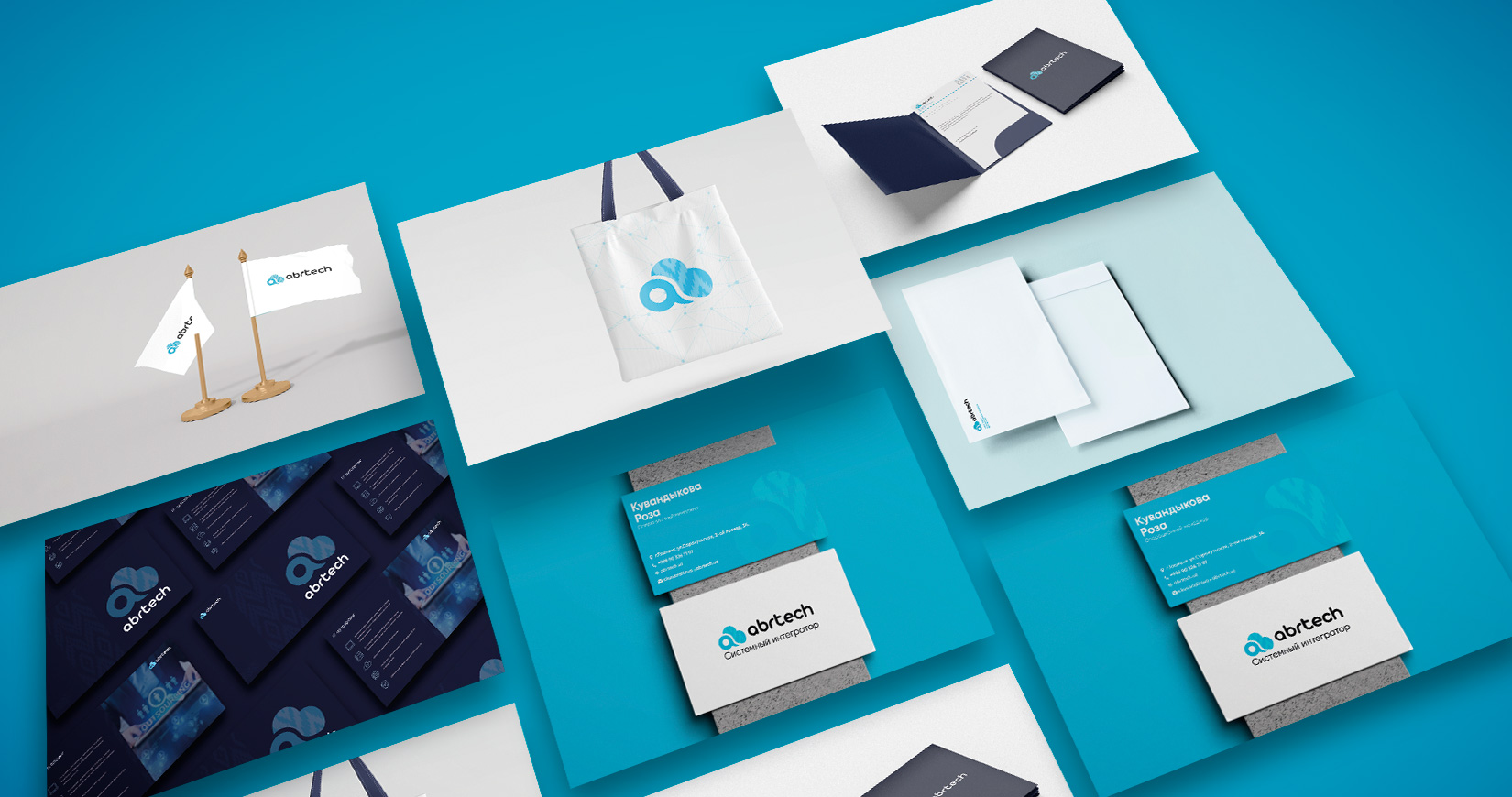
What Is a Brand Book and Why Does Your Business Need One?
What Is a Brand Book and Why Does Your Business Need One?A brand book is an official document that defines a company's visual identity standards and communication guidelines. It outlines the rules for using the logo, brand colors, typography, graphic elements, and other visual components that shape the company's image.Developing a brand book helps businesses create a recognizable brand, build customer trust, and maintain consistency across all communication channels, including websites, social media, advertising materials, and corporate documents.What Does a Brand Book Include?The contents of a brand book may vary depending on the company's size and goals, but typically include:Brand mission, values, and positioning;Logo usage guidelines;Corporate color palette;Typography and font recommendations;Graphic elements and brand patterns;Examples of printed and digital materials;Standards for visual and verbal communication;Guidelines for employees, partners, and contractors.A well-designed brand book ensures that every interaction with the audience reflects a unified brand identity.Why Is a Brand Book Important?Builds Brand RecognitionA consistent visual identity helps customers remember your company and distinguish it from competitors. The more often people encounter a unified brand image, the stronger their trust and loyalty become.Ensures ConsistencyA brand book establishes clear rules for using all elements of the corporate identity, ensuring that websites, presentations, business cards, and social media channels all look cohesive.Highlights Brand UniquenessEvery successful brand has its own personality and values. A brand book helps communicate these distinctive characteristics through visual design and messaging.Simplifies CollaborationDesigners, marketers, advertising agencies, and print houses receive clear guidelines, reducing mistakes and speeding up the production process.Supports Business GrowthA strong brand is more than just a logo. A brand book strengthens market positioning, increases brand value, and helps build long-term relationships with customers.Who Needs a Brand Book?Companies of all sizes;Brand managers;Marketing and advertising departments;Designers and creative agencies;Employees and business partners.ConclusionA brand book is an investment in your company's future. It helps create a strong and recognizable identity, improve customer trust, and maintain consistency across all brand communications.If you want to build a professional brand image and increase the effectiveness of your marketing efforts, developing a brand book is one of the most important steps toward sustainable business growth.
SEO Optimization Step-by-Step Plan by Months
SEO Optimization Step-by-Step Plan by Months1st Month: Preparation and Basic Optimization Internal SEO Optimization Technical audit of the website:Check page indexing in search engines.Analyze page loading speed (Google PageSpeed Insights).Check for duplicate pages and content.Fix errors (404, redirects, broken links). Setting up basic SEO parameters:Create and configure robots.txt.Generate a sitemap.xml and submit it to Google Search Console.Install an SSL certificate (if not already done). Keyword analysis:Build a semantic core using tools like Google Keyword Planner, Ahrefs, or SEMrush.Cluster keywords (group by categories). Meta tag optimization:Write unique Titles, Descriptions, and H1 tags for all key pages. Content optimization:Improve content uniqueness and relevance.Add keywords to text, subheadings, and image alt attributes. External SEO Optimization Backlink profile analysis:Review current external links using tools like Ahrefs. Create an external promotion strategy:Identify platforms for link building (directories, blogs). 2nd Month: Advanced Internal Optimization Internal SEO Optimization Website structure improvement:Optimize menu and URL structure (user-friendly URLs).Remove or merge redundant pages (avoid keyword cannibalization). Internal linking:Add links between pages for better navigation and weight distribution. Multimedia optimization:Compress images and optimize alt-tags.Add video content if relevant. Expanding the semantic core:Add LSI keywords (latent semantic indexing).Refine target keyword lists. External SEO Optimization Registration in directories:Submit the website to relevant directories (non-spammy). Start link building:Acquire quality backlinks from trusted websites. Posting on forums and Q&A platforms:Mention the site in relevant discussions. 3rd Month: Content Improvement and Behavioral Factors Internal SEO Optimization Optimize existing content:Enhance readability with lists, tables, and infographics. Create new content:Launch a blog (if not done yet).Publish articles targeting keywords from the semantic core. Analyze behavioral factors:Reduce bounce rate by improving content and usability. Optimize the mobile version:Ensure responsiveness via Google Mobile-Friendly Test. External SEO Optimization Guest posts:Write and publish articles with backlinks on other websites. Work with social media:Create social profiles (Facebook, Instagram, LinkedIn) and link them to the website. 4th Month: Strengthening Positions and Building Trust Internal SEO Optimization Optimize user experience (UX):Simplify navigation.Add rich snippets for better visibility in search results. Perform a technical re-audit:Check the site’s performance and speed after changes. Update outdated content:Add new information, trends, or statistics. External SEO Optimization Publish PR articles:Collaborate with news sites to post articles about your business. Crowd marketing:Mention your website in thematic forums or discussions. Competitor analysis:Study their link profiles and replicate effective strategies. 5th Month: Advanced Analytics and Expanding Reach Internal SEO Optimization Track positions:Compare current rankings with initial ones and adjust the strategy. Create additional content:Publish long-reads, guides, or FAQs to address user needs comprehensively. External SEO Optimization Deep link building:Target more authoritative and complex platforms. Collaborate with partner websites:Establish mutual recommendations or backlinks. 6th Month: Scaling Internal SEO Optimization Work with microdata:Add structured data (Schema.org) for enhanced visibility in search results. Improve underperforming pages:Refine content, add multimedia, and conduct A/B testing. External SEO Optimization Continue link building:Gradually increase the number of quality backlinks. International platforms:For global businesses, target localized resources. Note: SEO is a continuous process that requires regular updates to content, ongoing link building, and constant monitoring of competitors and rankings.
CRM System for Business: Why It Is Important and How It Helps Increase Sales
CRM System for Business: Why It Is Important and How It Helps Increase SalesWhat Is a CRM System and Why Does Your Business Need It?A CRM system (Customer Relationship Management) is a tool designed to manage customer relationships, automate sales processes, and improve the efficiency of a sales department. Today, CRM implementation has become essential for businesses that want to organize their workflows, reduce customer loss, and increase profitability.While companies previously managed customer data using notebooks and spreadsheets, modern CRM solutions enable businesses to oversee the entire sales cycle — from the first customer inquiry to repeat purchases.What Benefits Does a CRM System Provide?Centralized Customer DataAll customer information is stored in one place, including contact details, purchase history, phone calls, commercial offers, and communication records.Sales AutomationCRM systems automatically distribute leads among sales managers, send reminders about important tasks, and help prevent potential customers from being overlooked.Sales Performance MonitoringBusiness owners and department managers can track the number of processed leads, employee performance, and the progress of every deal.Analytics and ReportingCRM software generates reports on sales performance, conversion rates, average deal values, and other key business indicators.Improved Customer ServiceWith instant access to customer information, managers can better understand client needs and provide more personalized solutions.Popular CRM Solutions for BusinessesSeveral ready-made CRM systems are available on the market, each designed for different business needs.amoCRMSuitable for small and medium-sized businesses. It offers convenient lead management and seamless integration with messaging platforms.Bitrix24A comprehensive business platform that combines CRM functionality with task management, internal communications, and collaboration tools.SalesforceA powerful global solution designed for large enterprises, offering extensive customization and advanced analytics capabilities.HubSpot CRMA popular CRM platform with a free entry-level plan, especially useful for marketing automation and sales funnel management.Custom CRM DevelopmentAlthough ready-made CRM solutions meet the needs of many businesses, some companies require systems tailored to their specific workflows.Benefits of a custom CRM solution include:adaptation to unique business processes;integration with internal systems;elimination of unnecessary features;scalability as the company grows;complete control over business data.CRM and IP Telephony: A Powerful Combination for SalesTo maximize efficiency, CRM systems are often integrated with IP telephony. This combination automates call management and improves sales team performance.Advantages of IP Telephony✅ Automatic call recording.✅ Monitoring the quantity and quality of calls.✅ Intelligent distribution of incoming calls among managers.✅ Automatic dialing features.✅ Storing call history directly within the customer's profile.When CRM and IP telephony are integrated, managers instantly see customer information during incoming calls, while executives gain access to comprehensive call analytics.How to Build an Effective Sales Department Using CRMCRM ImplementationSelecting and configuring the right CRM solution based on business requirements.IP Telephony IntegrationSetting up automatic call tracking and linking conversations to customer profiles.Employee TrainingDeveloping sales processes, training employees to work with the CRM, and implementing effective sales scripts.Performance MonitoringConfiguring reports and KPIs to evaluate the effectiveness of the sales team.Sales Funnel AutomationImplementing automated workflows, including email campaigns, follow-up reminders, and lead nurturing sequences.Why Every Modern Business Needs a CRM SystemA CRM system is much more than software for storing customer contacts. It is the foundation of a structured sales process that helps businesses:increase conversion rates;reduce customer loss;improve employee productivity;enhance customer service quality;scale operations effectively.Businesses can choose ready-made solutions such as amoCRM or Bitrix24, or invest in custom CRM development tailored to their unique needs.When combined with IP telephony and a well-organized sales department, CRM becomes a powerful driver of business growth and profitability.Looking to implement a CRM system or automate your sales department? Contact us, and we will help you choose the right solution, optimize your processes, and take your sales performance to the next level.
The Story Behind KIRANO Marketing Agency: From a Passion Project to an International IT Company
The Story Behind KIRANO Marketing Agency: From a Passion Project to an International IT CompanyBehind every successful company lies a story. A story of decisions, challenges, sleepless nights, and people who once chose not to settle for mediocrity. The story of KIRANO Marketing Agency did not begin with major investments or a carefully designed business model. It began with passion.Where It All Began: When Work Becomes a CallingIn 2017, KIRANO Marketing Agency was founded in Uzbekistan by Vladimir Stanislavovich Nogay, an entrepreneur for whom design and digital technologies were never just a profession—they were a genuine hobby.At that time, KIRANO was far from being a full-scale agency in the traditional sense. It started with small creative projects: designing logos, developing brand books, and creating website concepts. Every new assignment was seen not merely as another job, but as an opportunity to build something unique and valuable for a client's business.As the number of projects grew, so did the expectations of clients.From Design to Turnkey Website DevelopmentOver time, it became clear that businesses needed more than a beautiful logo or a well-designed brand book. They needed effective digital tools capable of driving growth.This led KIRANO to expand its services and introduce turnkey website development.The company began creating corporate websites, online stores, and web platforms, focusing not only on aesthetics but also on usability, performance, and business efficiency.With each completed project, KIRANO strengthened its reputation as a trusted partner in digital marketing and web development.When Clients Shape the Future of a CompanySometimes, clients themselves reveal the next stage of a company's evolution.That was exactly what happened to KIRANO.Although the agency did not initially offer social media marketing services, clients increasingly approached the team with requests to manage their social media accounts.The reason was simple: they admired the way KIRANO promoted its own brand and wanted to achieve similar results for their businesses.The phrase, "We want it done the same way you do it for yourselves," became the starting point of a new chapter.This marked the birth of KIRANO's SMM and integrated marketing services.A Period of Rapid GrowthOver the following years, the agency experienced significant growth.Before the COVID-19 pandemic, KIRANO had evolved into a large team of professionals. The company operated two offices and employed 24 specialists.It was a period defined by expansion, ambitious projects, and the continuous search for effective solutions for clients.However, the events of 2020 forced businesses around the world to rethink their traditional ways of operating.KIRANO was no exception.Reinventing the Business During the PandemicThe COVID-19 pandemic became one of the most challenging periods for companies worldwide.During this time, the KIRANO team came to an important realization: the effectiveness of a company is not determined by the number of offices it owns, but by the quality of its processes and the expertise of its people.A strategic decision was made to streamline operations and focus on developing a single headquarters in Tashkent.This move allowed the company to remain agile, optimize internal workflows, and continue serving clients throughout Uzbekistan.More importantly, remote collaboration opened the door to international opportunities.Expanding Beyond BordersYears of experience and a strong commitment to quality enabled KIRANO to enter international markets.The agency began providing services to clients in various countries, including:the United Arab Emirates;Russia;Kazakhstan;the United States of America.For every project, the team aimed not simply to deliver a service, but to become a reliable partner contributing to the growth and success of each client's business.What started as a local marketing agency in Uzbekistan gradually transformed into an international company working with businesses across the globe.A New Chapter: Business Automation and Software DevelopmentIn 2024, KIRANO entered a new stage of development by expanding into software engineering.The company began designing and developing ERP and CRM systems aimed at automating internal business processes.Several organizations successfully implemented these solutions, gaining better operational control, improved efficiency, and enhanced business analytics.At the same time, KIRANO broadened its technological expertise by developing mobile applications for both iOS and Android platforms.As a result, KIRANO evolved from a marketing agency into a full-cycle IT company capable of supporting clients throughout every stage of their digital transformation journey.The Philosophy Behind KIRANOThroughout the years, technologies have changed, trends have evolved, and new industries have emerged. Yet one principle has remained constant.Every project must create real value for the client's business.Today, KIRANO brings together expertise across several key areas:turnkey website development;branding and corporate identity design;integrated marketing solutions;social media marketing (SMM);CRM and ERP system development;business process automation;mobile application development.For the KIRANO team, digital solutions are not merely services—they are tools that empower entrepreneurs to grow, scale, and achieve new levels of success.A Story That Continues to UnfoldThe story of KIRANO is ultimately a story about how a simple passion can evolve into a lifelong mission.From the first logos and brand books to international projects and sophisticated software systems.From a small team of enthusiasts to a company helping businesses embrace technology and build efficient processes.Today, KIRANO continues to grow, explore new opportunities, and develop solutions that move its clients forward.And perhaps the most important chapter of this story has yet to be written.
Letters of Recommendation