
Marketing without analytics turns into guesswork. A company may run advertising campaigns, manage social media accounts, send email newsletters, and promote its website, but without monitoring key metrics, it is impossible to understand which activities actually deliver results.
Marketing metrics help businesses evaluate advertising effectiveness, understand customer behavior, reduce acquisition costs, and increase profitability.
Why Is It Important to Track Marketing Metrics?

Marketing analytics allows businesses to make decisions based on data rather than assumptions.
Tracking performance indicators helps companies:
- identify which marketing channels perform best;
- control advertising budgets;
- reduce the cost of acquiring leads and customers;
- improve conversion rates;
- identify weaknesses in the sales funnel;
- forecast revenue and scale marketing efforts effectively.
Key Marketing Metrics
1. Number of Leads
A lead is a potential customer who has submitted an inquiry, contacted the company through a messenger app, made a phone call, or otherwise expressed interest in a product or service.
It is important to track not only the total number of leads but also the channels they come from, such as:
- paid search advertising;
- social media advertising;
- SEO;
- social media marketing;
- email marketing;
- referrals.
2. CPL (Cost Per Lead)
CPL measures how much a business spends to generate one lead.
Formula:
CPL = Advertising Expenses ÷ Number of Leads
If the cost per lead is too high, businesses should analyze their advertising campaigns, target audiences, creatives, landing pages, and traffic quality.
3. CAC (Customer Acquisition Cost)
CAC shows how much it costs to acquire one paying customer.
Formula:
CAC = Total Marketing and Sales Expenses ÷ Number of New Customers
This metric is often more valuable than CPL because generating a lead does not necessarily result in a sale. Businesses need to understand the actual cost of acquiring a customer who makes a purchase.
4. Conversion Rate
Conversion rate indicates the percentage of users who complete a desired action, such as submitting a form, making a phone call, completing a purchase, or booking a consultation.
Examples of conversions include:
- website visitor → lead;
- lead → meeting;
- meeting → sale;
- subscriber → customer.
The higher the conversion rate at each stage, the more effective the marketing and sales processes become.
5. ROMI (Return on Marketing Investment)
ROMI measures how effectively marketing activities generate revenue relative to their cost.
Formula:
ROMI = (Revenue Generated by Marketing − Marketing Costs) ÷ Marketing Costs × 100%
A positive ROMI indicates profitable marketing activities, while a negative result suggests the need to review marketing strategies, advertising channels, or sales funnels.
6. ROI (Return on Investment)
ROI evaluates the overall profitability of investments made in projects, business initiatives, or marketing campaigns.
This metric helps businesses determine which activities should be expanded and which require optimization.
7. LTV (Customer Lifetime Value)
LTV estimates the total revenue a customer generates throughout the entire relationship with the company.
This metric is especially important for businesses with:
- repeat purchases;
- subscription-based services;
- ongoing maintenance contracts;
- long-term customer relationships.
If LTV exceeds CAC, the business model is generally considered sustainable and scalable.
8. CTR (Click-Through Rate)
CTR measures the percentage of users who click on an advertisement after seeing it.
Formula:
CTR = Number of Clicks ÷ Number of Impressions × 100%
A low CTR may indicate ineffective ad creatives, weak offers, or poorly targeted audiences.
9. CPC (Cost Per Click)
CPC represents the average amount paid for each click on an advertisement.
Formula:
CPC = Advertising Expenses ÷ Number of Clicks
This metric helps businesses compare the efficiency of different advertising channels and campaigns.
10. CPA (Cost Per Acquisition or Cost Per Action)
CPA measures the cost of a specific desired action, such as a lead submission, registration, phone call, purchase, or content download.
Formula:
CPA = Advertising Expenses ÷ Number of Target Actions
CPA helps determine how efficiently advertising campaigns drive users toward meaningful business objectives.
Website Performance Metrics
If marketing activities direct traffic to a website, it is essential to analyze user behavior.
Website Traffic
Shows how many users visit the website during a specific period.
Traffic Sources
Helps identify where visitors come from, including:
- search engines;
- paid advertising;
- social media platforms;
- direct visits;
- referral websites.
Average Time on Site
Indicates how engaging and relevant the website content is to visitors.
Pages per Session
Measures the average number of pages viewed by a user during a single visit.
Bounce Rate
Shows the percentage of users who leave the website without interacting further.
A high bounce rate may indicate issues related to:
- slow website loading speed;
- poor user experience;
- low-quality content;
- a mismatch between advertisements and landing pages.
Sales Funnel Metrics
Marketing performance should not be evaluated solely by advertising metrics. It is equally important to monitor the customer journey through the sales funnel.
Key stages include:
- viewing an advertisement;
- visiting the website;
- submitting an inquiry;
- receiving a call from a sales representative;
- attending a consultation or meeting;
- receiving a commercial proposal;
- completing a purchase.
A significant drop in conversion at any stage often indicates a bottleneck within the sales process.
Which Marketing Metrics Matter Most?

For most businesses, the following indicators are particularly important:
- number of leads;
- cost per lead;
- customer acquisition cost;
- sales conversion rate;
- ROMI;
- customer lifetime value;
- lead quality;
- revenue generated by each marketing channel.
Businesses should avoid tracking dozens of metrics solely for reporting purposes. The primary objective of marketing analytics is to understand which activities contribute directly to revenue growth.
Tools for Marketing Analytics
Businesses can use various tools to monitor marketing performance:
- Google Analytics;
- Yandex Metrica;
- CRM systems;
- advertising platform dashboards;
- end-to-end analytics solutions;
- IP telephony systems;
- call tracking software;
- Power BI;
- Looker Studio.
The most effective approach combines multiple systems, including a website, CRM platform, advertising channels, telephony, and integrated analytics.
Conclusion
Marketing metrics enable businesses to manage promotional activities, optimize budgets, and improve profitability. Without proper analytics, companies cannot accurately determine which channels generate results, where customers are being lost, or which strategies deserve further investment.
To achieve sustainable marketing performance, businesses should consistently monitor essential metrics such as leads, cost per lead, customer acquisition cost, conversion rates, ROMI, LTV, and channel-specific revenue.
A well-designed analytics system transforms marketing from a collection of disconnected activities into a structured, data-driven engine for customer acquisition and business growth.
Would you like to implement marketing analytics and identify which channels truly generate profit for your business? Contact us, and we will help you build an effective analytics system, optimize your marketing efforts, and improve your return on investment.
Recommended articles

The Story Behind KIRANO Marketing Agency: From a Passion Project to an International IT Company
The Story Behind KIRANO Marketing Agency: From a Passion Project to an International IT Company Behind every successful company lies a story. A story of decisions, challenges, sleepless nights, and people who once chose

Kai AI by KIRANO: How Artificial Intelligence Helps Entrepreneurs Grow Their Businesses
Kai AI by KIRANO: How Artificial Intelligence Helps Entrepreneurs Grow Their Businesses Modern business requires fast decision-making, continuous analysis, and instant access to expert knowledge. However, not every entre
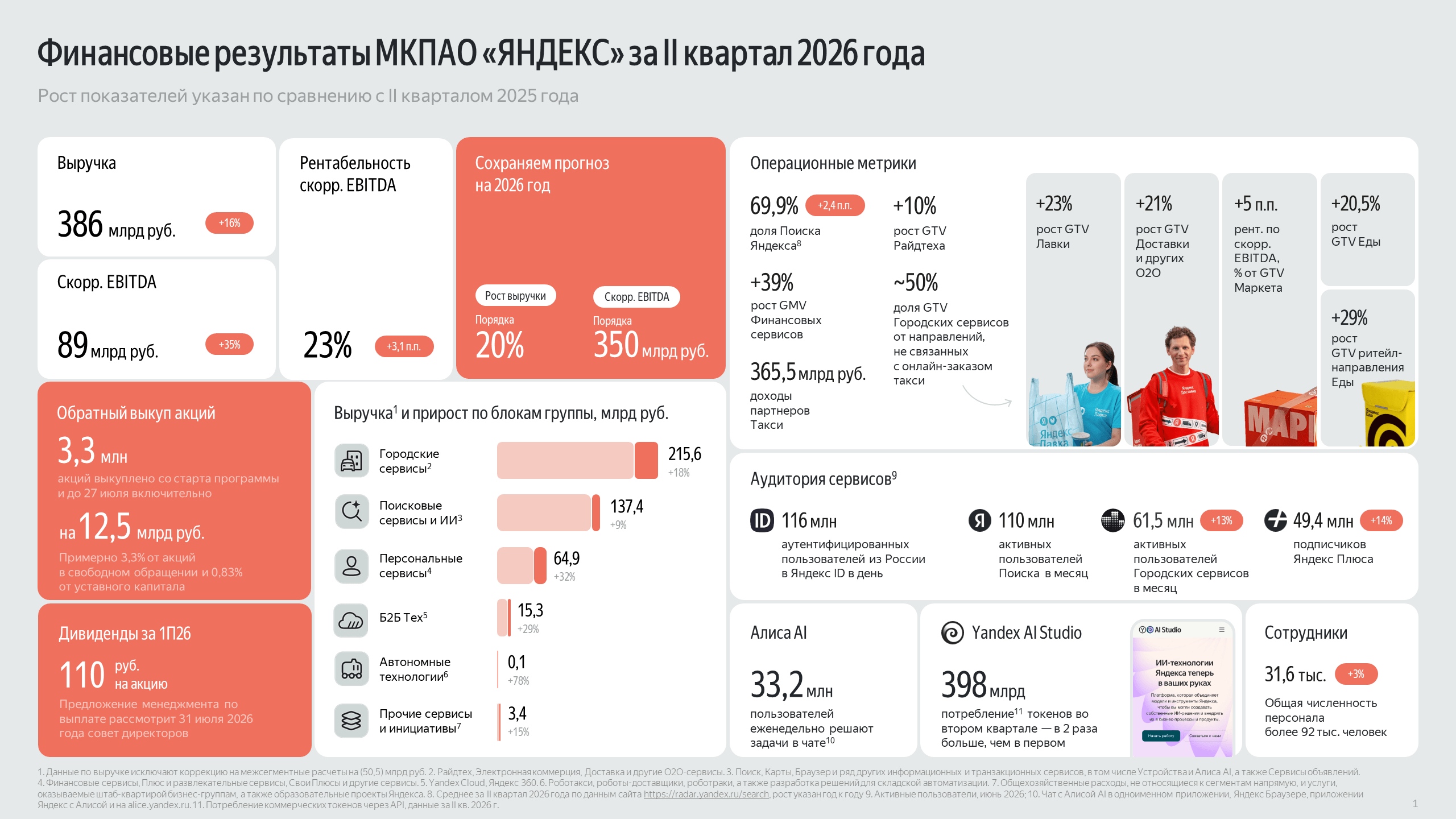
Yandex Continues to Strengthen Its Position: What the Q2 2026 Results Reveal
Yandex Continues to Strengthen Its Position: What the Q2 2026 Results Reveal Yandex’s financial results for the second quarter of 2026 confirm the company’s steady growth across virtually all key business areas. For the
2017 - 2026 © KIRANO